
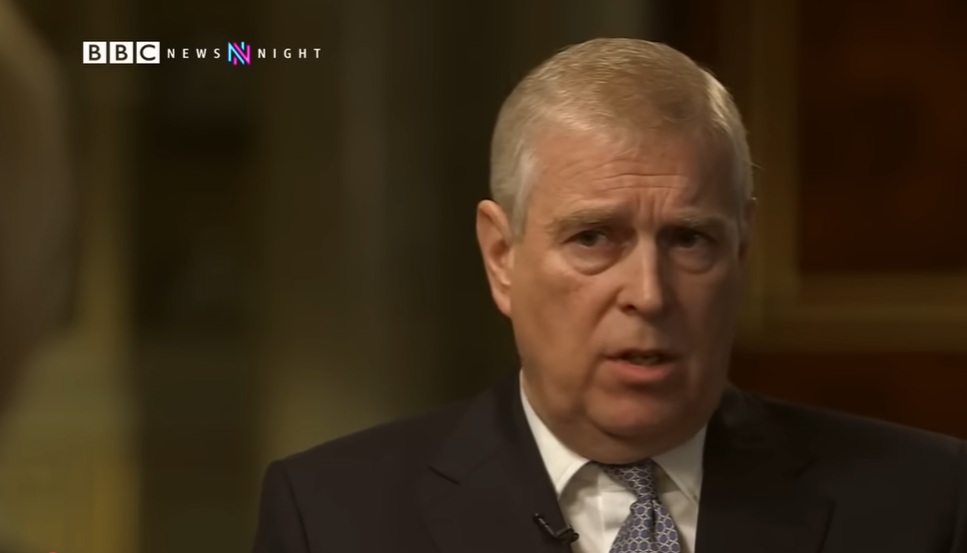
There is precedent, including in the British monarchy, for exiling certain people when things cut up rough
Renewed scrutiny triggered by the Epstein files has placed Prince Andrew back under intense public pressure.
His ex-wife, Sarah Ferguson, has been pulled into the fallout simply by proximity.
While she faces no allegations, her continued presence alongside Andrew keeps both figures in the centre of a reputational storm that the monarchy can no longer contain.
For the Royal Family, the pattern is not new. When individuals threaten the institution’s credibility, distance becomes the default mechanism of protection. It has been this way for nearly a century.
Edward VIII created a crisis management blueprint
Edward VIII’s removal from Britain after the abdication crisis in 1936 set the precedent: physical separation stabilises the Crown.
Prince Philip’s sisters were kept out of public view during and after the Second World War for similar reasons: reputational quarantine rather than punishment.
Diana’s post‑divorce life and Harry and Meghan’s relocation to North America followed the same logic: separation as a pressure valve.
First steps of Andrew’s exile already under way
Andrew has already been stripped of military titles, patronages and public duties. These steps mirror the early stages of historical royal distancing.
Ferguson, though not accused of wrongdoing, remains part of the public narrative because the monarchy cannot escape the optics of association.
Is it now time for Andrew and Fergie to book that one-way flight?
What is emerging now is a more pointed question: has the time come for both Andrew and Ferguson to remove themselves from the UK altogether?
Commentators argue that the Crown’s authority rests on public trust, and in Andrew’s case that trust has all but been eroded, and is eroding with each lurid revelation from the Epstein files.