The United States has ordered non-essential embassy staff and their families to leave Saudi Arabia following a sharp deterioration in the security situation across the Gulf. The move comes after a series of attacks on airports and energy infrastructure as Yemen’s Houthi movement steps up its campaign against the Kingdom.
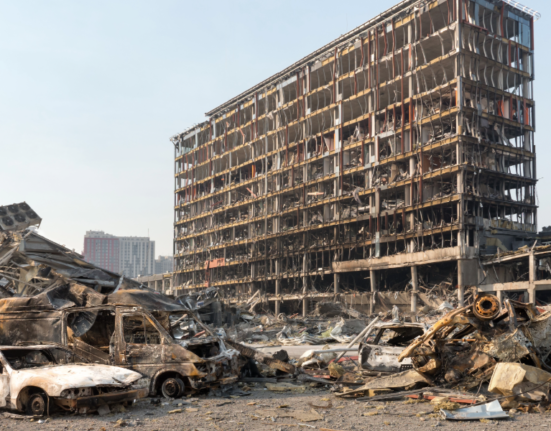
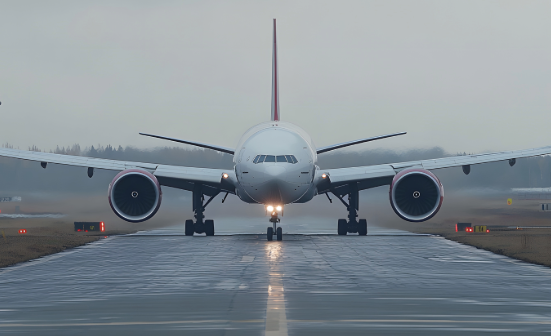
In recent weeks Saudi Arabia has faced an almost relentless wave of drone and missile attcks. The latest incidents include a deadly strike at King Fahd International Airport in Dammam and an attempted attack on the strategically important Shaybah oil field in the country’s east. Saudi authorities say lives have been lost and several people injured as the security situation continues to worsen.
Washington’s decision to reduce its diplomatic footprint is a significant indicator of cocern. While the US has stressed the order applies only to non-emergency personnel in Saudi Arabia, the move underlines fears that the conflict could escalate further and spill across the wider Gulf region.
For people and businesses in the West Midlands, the immediate question is why any of tis matters.
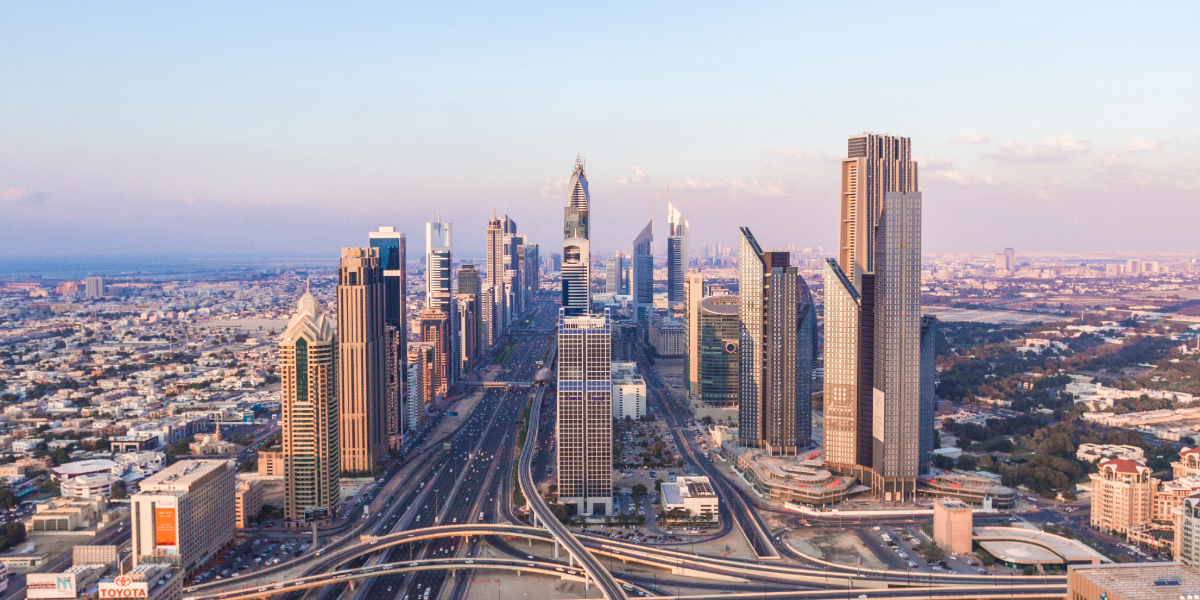
The answer is simple. Saudi Arabia remains one of the world’s most important energy producers and sits at the heart of global oil markets. Any sustained disruption to oil production, critical infrastructure or shipping routes in the Gulf has the potential to push energy prices higher.
That matters because higher energy costs rarely stay in the Middle East. They work their ay through supply chains, increasing the cost of transport, manufacturing and distribution before ultimately reaching consumers through higher prices. At a time when families and businesses are still grappling with inflationary pressures, another shock to global energy markets is the last thing many will want to see.
For a region such as the West Midlands, with its strong manufacturing base, logistics ector and heavy reliance on road transport, sustained rises in fuel costs can have a disproportionate impact. Every increase at the pump adds pressure to businesses already balancing labour costs, investment decisions and fragile economic confidence.
Whether the current situation develops into a prolonged regional crisis remains to be seen. However, the decision by the United States to withdraw non-essential diplomatic staff is a reminder that events thousands of miles away can quickly have consequences much closer to home.
For now, businesses, policymakers and consumers will be watching developments in the Gulf closely, hoping that tensions ease before global markets begin pricing in a more serious disruption.