By West Midlands News Political Editor
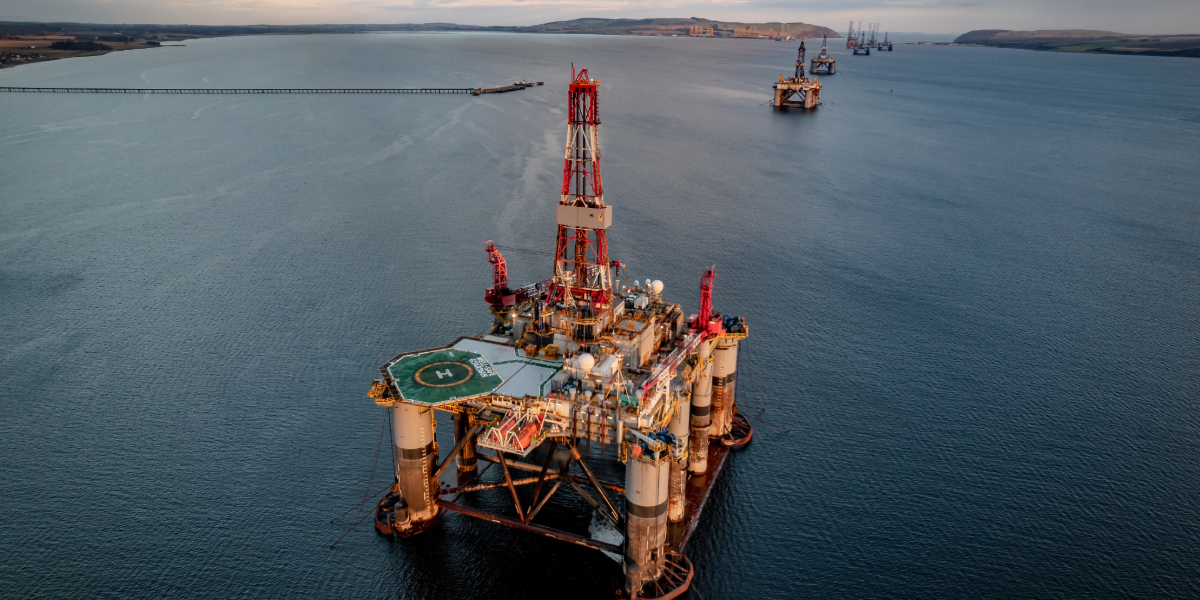
A growing Labour rebellion over the proposed Rosebank oil field is threatening to become the first major test of Prime Minister Andy Burnham’s authority, exposing tensions within the party over energy policy, economic growth and the journey to net zero.
What was initially viewed as a routine decision regarding North Sea oil production has developed into a significant political challenge for the Government, with increasing numbers of Labour MPs openly questioning whether the project aligns with the party’s environmental ambitions.
The scale of opposition emerging from Labour’s parliamentary ranks appears to have caught many in Westminster by surprise. What began as concerns from environmental campaigners has broadened into a much wider debate about the future direction of the Government and the difficult choices ministers face as they attempt to balance climate commitments with economic realities.
At the centre of the dispute is a question that ministers are finding increasingly difficult to answer. If a significant proportion of the oil extracted from Rosebank is likely to be sold into international markets, does the development genuinely strengthen Britain’s energy security, or does it simply prolong dependence on fossil fuels while doing little to reduce household energy costs?
Critics argue the Government risks sending mixed signals to investors by simultaneously championing renewable energy while considering approval for one of the largest undeveloped oil fields in the North Sea.
Supporters of the project point to the economic benefits, tax revenues and the importance of maintaining domestic energy production during the transition to a lower-carbon economy. They argue that Britain will continue to require oil and gas for years to come and that producing energy domestically remains preferable to importing it from overseas markets.
For Burnham, the political calculation is becoming increasingly complex.
Backing Rosebank could trigger the largest backbench revolt of his premiership to date. Rejecting it would leave the Government open to criticism from industry leaders, trade unions and those who argue that economic growth and energy security must remain central to Britain’s long-term strategy.
The dispute also strikes at the heart of Burnham’s leadership philosophy.
Since entering Downing Street, the Prime Minister has repeatedly emphasised his desire to work more closely with Labour MPs, promising a more collaborative approach to government and a greater role for parliamentarians in shaping policy. That commitment is now being tested.
Listening to MPs is one thing. Managing a growing rebellion is quite another.
Rosebank is rapidly becoming much more than a decision about a single oil field. It has become a proxy battle over Labour’s priorities in government, exposing tensions between environmental ambition, economic pragmatism and political reality.
The coming days could prove decisive.
The outcome will not only determine the future of one of the North Sea’s most controversial energy projects, but also provide the clearest indication yet of how Andy Burnham intends to govern when faced with opposition from his own side.
For a Prime Minister still in the early stages of his administration, that may ultimately be the bigger story.