
The end of an era for a brand that changed the culinary game?
TGI Fridays made its British debut in Birmingham in 1986, choosing the Hagley Road as the launchpad for a kind of dining culture the UK had never really seen before. Imported from New York’s upbeat after work scene, Fridays introduced British diners to American style cocktails, flare bartending, loaded potato skins, bottomless refills and an energy that blended restaurant, bar and theatre in one room. It changed things. It made after work drinks feel like an event. It made cocktails part of the everyday. It proved that casual dining could be loud, friendly and fun. And because it began its British life right here, Birmingham can rightly claim a small but meaningful chapter in the story of modern hospitality.
TGI Fridays on the Hagley Road – a key milestone for US cuisine in the UK
Before all that, our culinary world was a much quieter place. There used to be a delicatessen on the ramp of New Street, something like the Danish Food Centre. I cannot swear to the exact name now. Memory gets soft around the edges. But I remember the atmosphere. It sold Danish meats and cheeses that felt impossibly exotic to a lad growing up in the seventies. Salami was not something you brought home if you worked in a factory. Pâté sounded almost risqué. And olive oil came in bottles the size of your thumb, sold mainly for treating earaches rather than gracing salads. Britain had not yet opened its door to the continental pantry, never mind the American carnival of flavour that was coming our way. So when TGI Fridays arrived, its colour and confidence were nothing short of astonishing.

The fast food revolution
The American food wave had begun a few years earlier of course. I was in my twenties when Fridays came along, and it was not even a decade since McDonald’s had planted its golden arches in Birmingham. People forget that life before McDonald’s existed. That famous New Street branch, perched halfway up the ramp, had once been the home of that Danish delicatessen I still look back on with unreasonable affection. Nothing has come close to replacing it. Yet the American fast food experiment did something transformative for us. It changed how we ate, how we queued, how we socialised. Fridays felt like the next chapter in that evolution. Bigger. Brighter. More theatrical.
Great atmosphere with friendly staff
And for my family it became personal. My eldest twin worked at the Hagley Road TGI Fridays in his youth. It was part time work, but it shaped him. These American style hospitality operations have a habit of doing that. They teach confidence. They teach eye contact. They teach that the better you treat people, the better they treat you back. In his case, that lesson came through tips. A simple, powerful education in human nature and customer service before life had even begun to stretch out before him. Fridays was not just a restaurant then. It was a tiny training ground in how to meet the world.
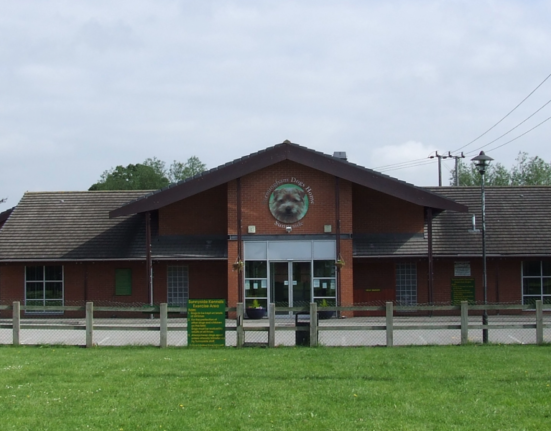
Sutton branch long since closed its doors
My own visits over the years have been sporadic, but warm. I am not a dedicated consumer of exceptionally well dressed sugary fried food, but I always appreciated the Fridays atmosphere. It had life to it. Colour. A bit of theatre without pretence. Which is why I’ve been so disappointed by the long closed branch in the Royal Town of Sutton Coldfield. On my occasional visits into Sutton, the sight of that half dressed building has become a small urban sadness. It has been closed for what feels like a very long time, yet the branding still clings to the walls as if hoping for a revival. It does not inspire confidence. Instead it sits there like a forgotten promise, a reminder that something once energetic has slipped into limbo.
TGI Fridays’ parent company has applied to appoint administrators
And now the news has caught up with the feeling. The UK parent company behind TGI Fridays has filed a notice of intention to appoint administrators. There are reassurances that all restaurants will stay open through Christmas, which is good for the staff and good for anyone who fancies a festive cocktail, but the wider picture is telling. The casual dining boom that defined the nineties and early two thousands is on its last legs. Rents have risen. Costs have climbed. Consumers are more selective. And the once thrilling American theatricality now competes with so many imitators that it struggles to stand out.

Mission creep from customer value to shareholder value
Part of the trouble lies in ownership. Fridays, like many chains that began with genuine character, has drifted into the fog of hedge funds and private equity investors. What begins as the cherished creation of individuals slowly becomes an asset in someone else’s portfolio. When accountants take the high ground, the experience erodes. They do not see customers, they see cost centres. They do not feel loyalty, they feel leverage. They talk about values, but the only value that truly matters in that boardroom is whatever can be extracted for shareholders. It becomes the great profit cannon, part furnace, part money mill, roaring through the hospitality world with no memory of the lives and laughter that once filled these places.
Consumers know the pattern now. The takeover comes. Then the ingredients cheapen. Then the staff numbers fall. Then the closures begin. By the time administrators are called in, the soul of the place has already been hollowed out.
Let’s remember the good times
Before moving on though, it is worth remembering that even the name was a revolution. Thank God It’s Friday was a phrase that made British ears twitch in the mid eighties. We were so culturally buttoned up that we translated it into Thank Goodness It’s Friday so we could say it without blushing. Yet the Americans brought the original version with full confidence, and it made us look a little stuffy by comparison. Letting TGI into our culture was its own mild liberation. It allowed us to loosen the tie a fraction and acknowledge that the working week does end, and we are allowed to celebrate that fact.
Still, I have a prediction. These hedge funds and equity groups like to imagine themselves as masters of the universe, but the market is beginning to remind them that they are not masters of culture. They are slowly discovering that you cannot run a hospitality brand on spreadsheets alone. You can see echoes of this truth in the saga of Ben and Jerry’s. Despite corporate ownership, the founders kept pushing back for years, trying to protect the character of the brand. Jerry Greenfield even walked away in protest when he felt the company’s spirit was being suffocated by corporate control. Brands built on personality cannot survive indefinitely under people who have none.
So here is my forecast. The investment houses will start hiring not just managers but personalities. People with a track record, people with instinct, people who feel like custodians rather than caretakers. They will give these people shares, ownership stakes, some semblance of creative control. They will try to recreate the magic of founders, even if only cosmetically. Because they will finally learn, painfully, that hospitality is not simply a commodity. It is memory, ritual and relationship.
Whatever happens Birmingham can always remember that it was part of something extraordinary
Fridays stands at that crossroads now. It is still fighting. It still has loyal staff who believe in the place. And its legacy in Birmingham is something that cannot be taken away. It changed how we dined. It shaped young workers. It gave us new habits and new pleasures. It made celebrations feel brighter. It brought a little New York sparkle into a city that deserved it.
If it goes, it will be a pity. A real pity. But the story it leaves behind is not a small one. Birmingham helped launch something extraordinary. And whatever happens next, the laughter, the theatre, the cocktail shakers and the memories will remain, long after the profit cannon has rolled on to its next target.