
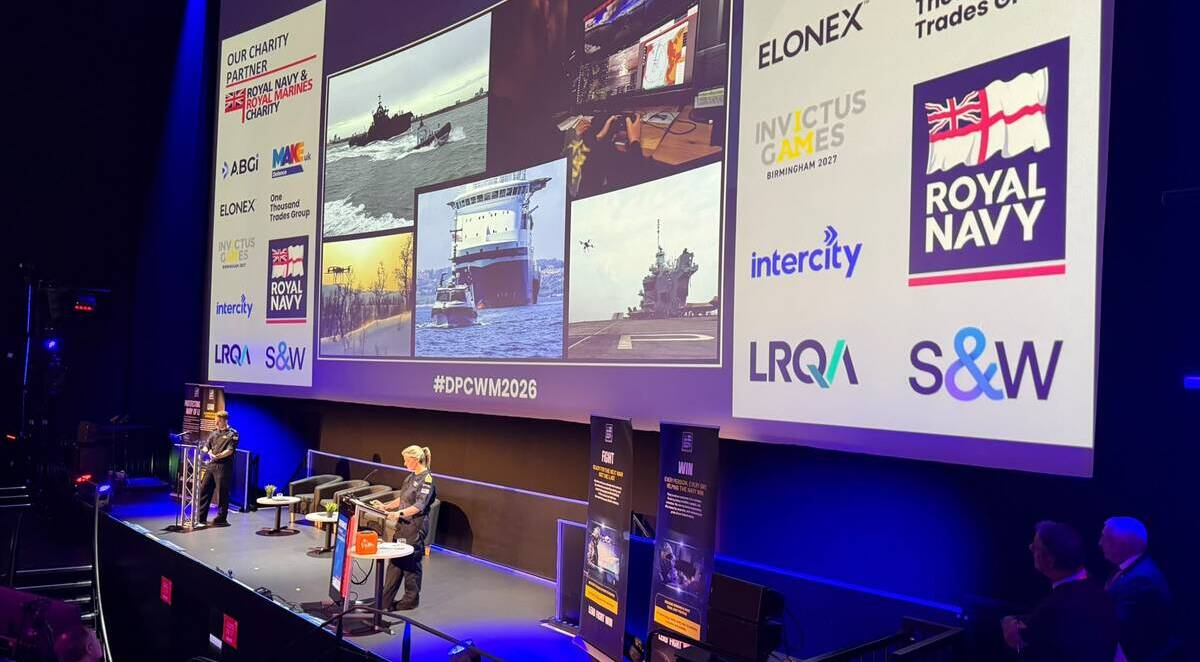
Birmingham’s inaugural Defence Procurement Conference drew more than 2,500 delegates – and the resignation of two senior ministers laid bare just how high the stakes have become
A city of a thousand trades finds a new purpose
Birmingham has reinvented itself before. The city that forged the industrial revolution, that built the car industry and supplied the world, is being asked to reinvent itself again. This time, the call is coming from the Ministry of Defence.
The inaugural Defence Procurement Conference, held at Millennium Point on June 11 and 12 and organised by the One Thousand Trades Group, drew more than 2,500 delegates from across UK manufacturing, technology, life sciences and professional services.
The energy on LinkedIn in the days before and after the event told its own story: businesses that had never seriously considered a defence contract were arriving curious and leaving convinced. The conference was, by every measure, an idea whose time had come.
The One Thousand Trades Group, whose very name draws on Birmingham’s identity as a city built on craftsmanship and industrial diversity, spotted something that larger, established defence forums had missed.
The West Midlands, one of the most manufacturing-dense regions in England, had been conspicuously absent from the UK’s defence supply chain conversation. For a region whose economy has been shaped for decades by automotive production, that absence represented both a gap and an opportunity.
Make UK Defence: the West Midlands is ready
Andrew Kinninburgh, Director General of Make UK Defence, which co-delivered the conference’s supply chain pathways programme, was among those congratulating the organising team for identifying the opportunity, he said.
The West Midlands, he noted, had been a gap in the UK’s defence market thinking, and One Thousand Trades had been right to call it out and fill it.
The reasoning is straightforward. Across the Black Country, Birmingham, Coventry and the wider region, hundreds of manufacturers have spent years supplying precision components, advanced materials, electronics and engineering services to automotive primes including Jaguar Land Rover and its sprawling supplier network.
Those businesses bring with them exactly the skills, accreditations and quality standards that defence prime contractors need. The challenge has not been capability. It has been awareness, navigation and connection.
Conference organiser Dr Richard Fallon put the scale of the opportunity in plain terms: the increase in MoD SME spending to £7.5 billion by 2028 represents a clear opening for Midlands manufacturers to diversify into defence and higher-value supply chains.
“But that opportunity will not wait,” he said.
“Businesses that move now will be the ones that build lasting positions in strategic national supply chains.”
Automotive to armaments: a pivot with precedent
The comparison with the automotive sector is more than convenient shorthand. It reflects a real structural shift underway in the region’s economy. With Jaguar Land Rover navigating one of the most challenging periods in its history, including the pressure of electrification, global tariff uncertainty and shifting consumer demand, many of its suppliers have been quietly exploring what comes next. For some, defence is the answer.
The conference’s two-day format was designed to match that moment. Day one addressed the fundamental question: is defence right for your business? Day two tackled the practical mechanics: how to enter the supply chain, understand MoD procurement structures, achieve security clearance and build relationships with prime contractors.
More than twenty speakers delivered content across six panel sessions, and the conference was framed explicitly as a working event, not a trade fair: a place where conversations start, relationships form, and supply chain positions are secured.
The response on LinkedIn suggested the format landed. Delegates spoke of a genuine change in understanding, of procurement processes that had seemed opaque suddenly becoming legible, and of conversations with prime contractors that would not have happened without the room the conference created.
Resignations that underlined the message
On day one of the conference, June 11, Defence Secretary John Healed resigned. Armed Forces Minister Al Carns followed later that day.
The timing was striking. Both men had been engaged with the very issues the Birmingham conference was addressing.
Carns, the MP for Birmingham Selly Oak, had gone on record calling the Defence Procurement Conference “a vital step in opening up real opportunities for SMEs across the West Midlands and beyond to play a greater role in our defence supply chains.”
In his resignation letter, Healey told the Prime Minister that the UK’s defence investment plan “falls well short of what is required for defence and the country at this dangerous time.”
Carns, in his own letter, branded the delayed Defence Investment Plan “neither transformative enough nor sufficiently funded,” adding that he could not “in good conscience stand at the dispatch box and defend a level of investment I know to be inadequate to the task.”
A world that cannot wait for Treasury
The resignations of two ministers who staked their careers on getting defence funding right are not a footnote to the Birmingham conference. They are its context.
Healey reminded Starmer in his letter that the Prime Minister himself had said British intelligence assessments indicate Russia could be ready to attack NATO countries as soon as 2030. “You have been unable, and the Treasury has been unwilling, to commit the resources” required, he wrote.</cite> Carns, a former Royal Marine who gave up a military career to fight for more investment from inside government, concluded that he had run out of room to make the argument honourably from within.
For the manufacturers in Birmingham who attended the conference with serious intent, these resignations are not abstract political drama. They point to a fundamental tension at the heart of British defence policy: a government that acknowledges the threat, encourages industry to commit to the supply chain, and yet remains unable or unwilling to match its rhetoric with the funding that would make that commitment worthwhile.
The West Midlands has the engineering base, the manufacturing infrastructure and the workforce to contribute meaningfully to UK defence. One Thousand Trades Group and Make UK Defence have demonstrated that the market appetite is real. The question now is whether those in Downing Street and the Treasury who remain in post will find the resolve that their predecessors could not.
For more on the Defence Procurement Conference, visit defenceprocurementconference.co.uk