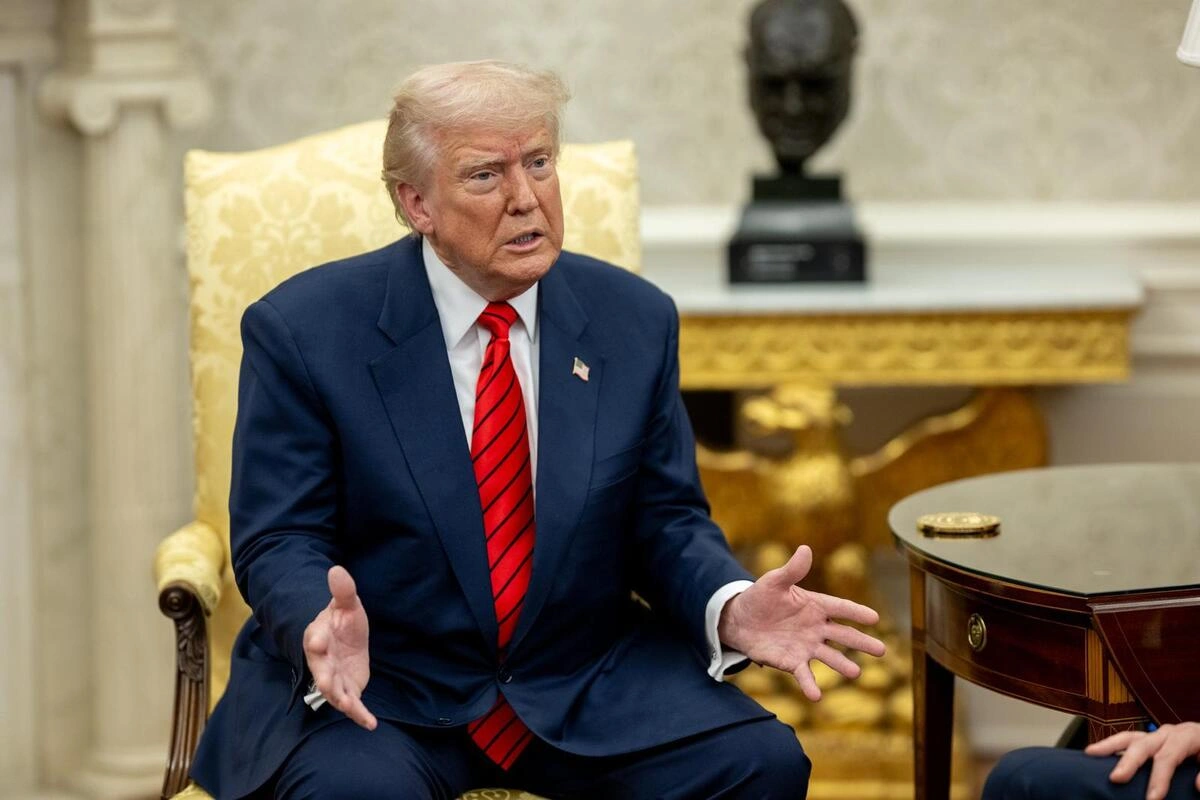
Just when the BBC could do without another controversy, it finds itself facing a potentially damaging legal battle in the United States after a judge ruled that Donald Trump’s defamation claim can proceed.
The corporation insists it remains confident in its position. That may be true. But the bigger problem for the BBC is that this is becoming a familiar story.
A complaint. An editorial failure. An apology. An investigation. Another uncomfortable headline.
This latest case centres on a Panorama programme which edited together separate extracts from a speech delivered by Donald Trump before the Capitol riots of January 2021. Trump’s lawyers argue the editing created a false impression that he directly incited the violence which followed.
The BBC has already acknowledged an error in judgement and apologised. Yet the issue did not end there. The broadcaster refused compensation and the dispute has now reached the courts, where a Florida judge has ruled there is enough substance in the claim for it to move forward.
That alone should concern BBC executives.
No one is suggesting the corporation has lost the case. It has not. Nor should anyone assume that the eye-watering $10 billion figure attached to the claim will ever be realised.
But the fact remains that one of the world’s largest broadcasters is once again having to defend its journalism and editorial decision-making in public.
For an organisation funded by the British public through the licence fee, trust is everything.
The BBC often positions itself as the gold standard of journalism, holding politicians, businesses and public institutions to account. That scrutiny is entirely justified. Yet when mistakes are made within the BBC itself, the same standards must apply.
The more difficult question is what happens if the corporation ultimately loses.
Like most major media organisations, the BBC will have insurance in place to cover legal risks. However, insurance is not an unlimited cheque book. Policies have financial limits, exclusions and conditions. The details are rarely made public.
If a court were to award substantial damages, serious questions would inevitably follow.
Would insurers cover the entire amount?
Would there be legal disputes over the extent of cover?
Could licence fee payers ultimately be exposed to some of the cost?
At this stage nobody outside the BBC and its insurers can answer those questions with certainty.
What is clear is that large-scale litigation is expensive regardless of the final outcome. Legal fees alone can run into millions, even before damages are considered.
The BBC will argue this case is being robustly defended and that it remains confident of success. That is its right. The courts will decide the facts.
But from a public perspective, this lawsuit is about more than Donald Trump.
It is about whether the BBC has learned from previous controversies and whether enough is being done to prevent avoidable editorial mistakes from becoming international legal battles.
The corporation has spent years asking the public to trust its journalism. Cases such as this inevitably raise questions about whether that trust has been taken for granted.
And if the BBC were to lose, the financial consequences may be significant.
The reputational consequences could be far worse.