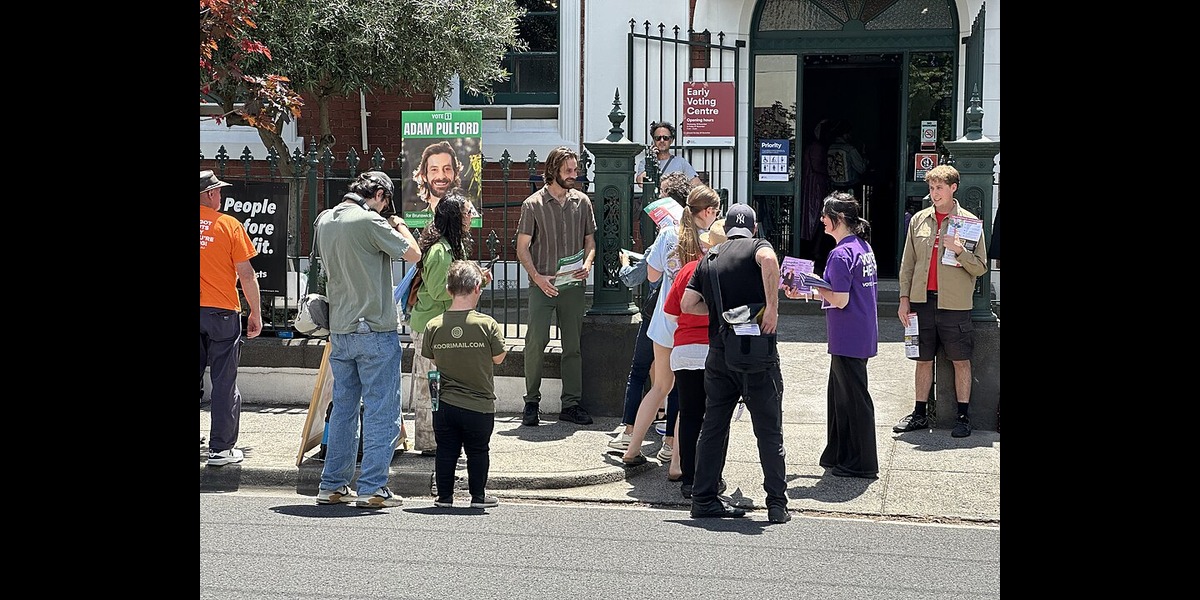
Britain is close to changing who can vote for the first time in decades. On 12 February 2026 the government introduced the Representation of the People Bill, which would lower the voting age to 16 for all UK elections where it is currently 18, including general elections and local elections in England. One university research group notes this would be the first change in 57 years. The government’s policy paper says 16 and 17-year-olds will have the same rights as any other voter once registered. It intends the reforms to be in force before the next general election, which must be held by August 2029 and could come earlier. BBC reporting put the number of newly eligible young people at 1.7 million. The change was a Labour pledge, and the bill is moving relatively rapidly through the Commons, potentially because it was in Labour’s 2024 manifesto.
The case for the change rests on two ideas: consistency and habit. On consistency, the government’s argument is that at 16 a young person can work, pay taxes and join the Army. On habit, supporters point to Scotland, where 16- and 17-year-olds have voted since the 2014 independence referendum. A Welsh parliamentary submission cited figures that turnout among newly enfranchised under-18s in that referendum was 75 per cent, against 54 per cent for 18-24-year-olds. Later research found that on average, more first-time voters aged 16-17 reported voting in the 2021 Scottish Parliament election than 18-19-year-olds. The Electoral Reform Society says enfranchised 16- and 17-year-olds tend to turn out in greater numbers than those voting for the first time aged 18 and over.
The evidence is less clear-cut than that sounds. The same submission that cited the 75% figure also noted that turnout among under-18s in the 2014 referendum was around ten per cent lower than the 85 per cent average. The referendum was also an unusually intense political moment. Researchers have pointed out that the later rise in overall Scottish turnout owed more to older voters’ increased participation than to the young. One analysis of Wales makes a related point: Scotland’s first national election with 16- and 17-year-olds was particularly high-profile because it took place in the shadow of the polarised 2014 referendum.
Wales offers a more sobering case study. It allowed 16- and 17-year-olds to vote in the 2021 Senedd election. Welsh Government data suggested that between 40% and 45% of eligible 16-17-year-olds registered. The Electoral Reform Society put it at roughly 46%, about 30,000 of an estimated 65,000. A Cardiff University report on the election was titled “A False Start.” But a later Welsh Government review adds nuance. Electoral Commission data showed that 80% of 16- and 17-year-olds reported being registered, compared with over 93% of 25-44-year-olds, and among registered respondents, 78% of 16- and 17-year-olds reported voting. The review’s reading is that registration and preparation may be bigger challenges than the act of voting. The Electoral Commission similarly found that turnout among 16- and 17-year-olds was largely in line with other younger age groups, and notably lower than among the over-55s. That election was also held under pandemic conditions, which campaigners say made engagement particularly challenging.
Opponents have different objections. The Conservatives accused Labour of inconsistency, since 16- and 17-year-olds will still be unable to stand as candidates, buy lottery tickets or alcohol, or get married. Reform made a related argument, saying 16- and 17-year-olds should not be able to vote in elections where they could not take part as candidates. At heart, this is a disagreement about whether the right to vote should be tied to the rest of adult legal status, or treated as a separate question.
There are practical issues too. Scotland’s Electoral Management Board told MPs that many changes in the bill will be specified in secondary legislation, the scale of change is significant and cannot be rushed, and the electoral community needs as much time as possible to plan. Campaigners worry about getting young people onto the register. Generation Rent urged a full system of registration without application as soon as possible so voters can take part in the next general election. Researchers at Nottingham argued that the government should include a package of support and resources, co-developed with stakeholder groups including young voters.
The existing patchwork is a further factor. Sixteen- and 17-year-olds in Scotland and Wales can vote in local and Scottish Parliament or Senedd elections, while their peers in England and Northern Ireland cannot vote in any elections. Supporters say a UK-wide rule would end that inconsistency. Sceptics might respond that a mismatch with other age-based rights is just as real.
So what does the evidence settle? It suggests that 16- and 17-year-olds who are registered do vote at rates comparable to or higher than slightly older first-time voters, and that registration is the hurdle. It does not settle the more philosophical question: whether 16 is the right age at which to extend the franchise. Supporters see a democratic habit that is best formed early; opponents see a line that should track the full set of adult rights and responsibilities. Both are value judgements rather than empirical claims, and the practical test will be whether the system is ready in time for the next election.