AI-assisted innovation is fast becoming the difference between success and failure
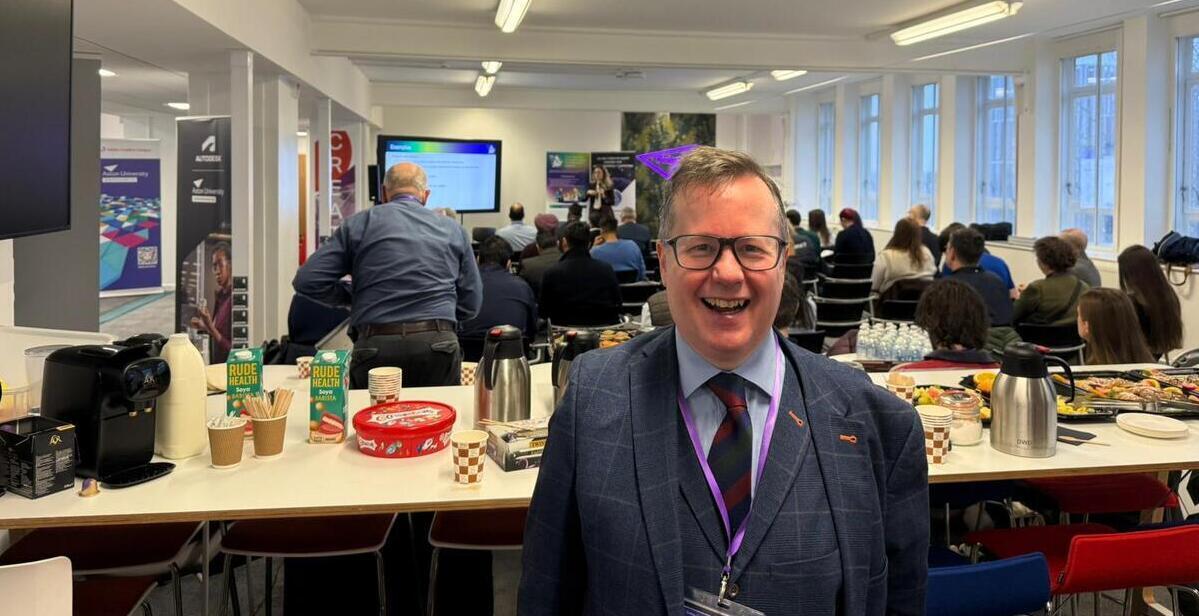
AI is shifting from an optional tool to an expected standard in today’s manufacturing industry, a gathering of SMEs was told at the West Midlands Business Festival.
AI adoption is now a requirement for productivity and competitiveness, with the experimentation phase now firmly in the past.
Delegates at the day-long sessions included a specialist auto-sport fire extinguisher manufacturer, an industrial glass production equipment supplier and a mid-size IT consultancy services provider.
Among the delivery partners for the day-long event at Aston University was the Technology Supply Chain (TSC), whose CEO Dr Richard Fallon advised attendees on the help currently available for SMEs, including grants and innovation support.
‘To be competitive in today’s economy, firms need to embrace AI’
“AI is upon us and it’s advancing at a rate of knots,” said Richard.
“To be competitive in today’s economy, firms need to embrace AI, harnessing its astonishing power to automate production processes and bring huge efficiencies into your business – all while ensuring you protect yourself against the risks it poses.
“AI can seem like a minefield, especially if you’re just dipping your toe into this deep pool, which is why the TSC, alongside our partners at Aston University, is running the ‘AI-Assisted Innovation for SMEs’ day.
“We’re pointing delegates to the right places to get the right support, including grant funding opportunities, so SMEs in this region can be at the frontier of this exciting new chapter in the UK economy.”
Govt aims to get 10 million AI-skilled workers in the UK by 2030
The UK Government has set a target to train 10 million workers in AI skills by 2030, as part of its AI Skills Programme announced in 2025 and expanded this year.
A joint initiative delivered with industry partners including Google, Microsoft and the NHS, the AI Skills Programme aims to give every adult in the UK access to online courses to build practical AI skills such as drafting text, content creation and administrative tasks.
Officials say this will help make Britain the fastest AI adopter in the G7, ensuring the workforce is ready for widespread implementation rather than just awareness.