By Paul Cadman | West Midlands News
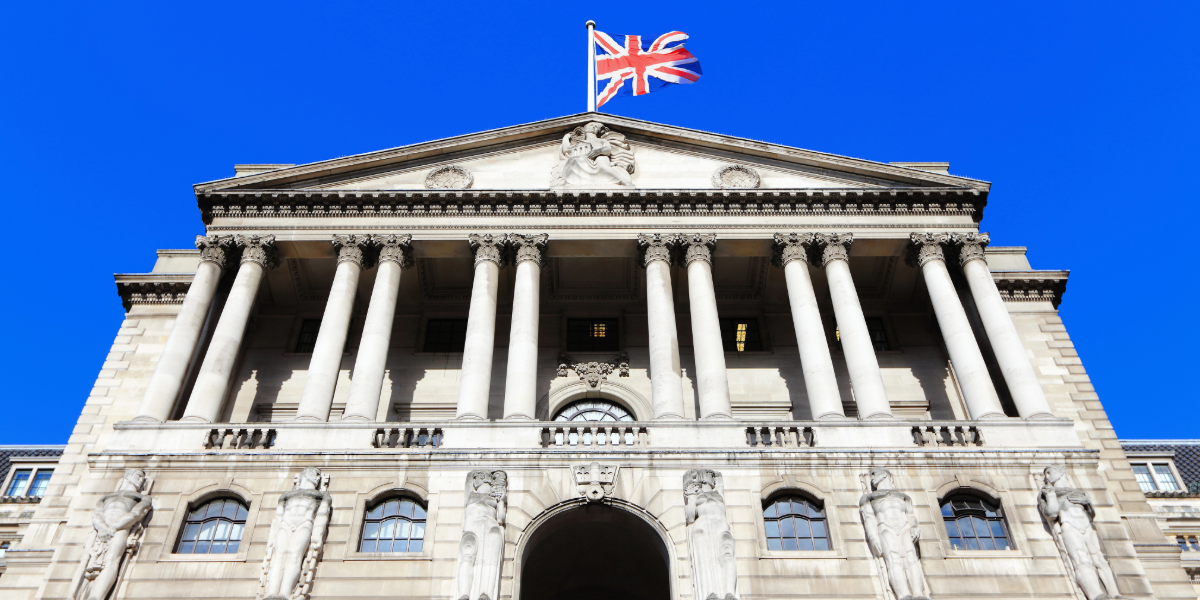
Homeowners across the West Midlands are bracing for another hit to their finances, with the Bank of England expected to increase interest rates today for the first time in three years.
The widely anticipated rise is designed to tackle inflation, which has started to climb again after a period of decline. While the move may offer some welcome news for savers, borrowers are likely to feel the impact almost immediately.
For many families, the concern is not today’s increase but what comes next.
Across Birmingham, Wolverhampton, Coventry, Dudley and the wider region, thousands of homeowners who secured mortgage deals during a period of historically low interest rates are now facing the reality of refinancing at much higher rates.
Many fixed-rate deals agreed just a few years ago were secured at around 2%. Today, equivalent products are often available at rates closer to 5.5% or higher.
That difference may sound small on paper, but for a household with a £250,000 mortgage it can mean hundreds of pounds extra every month.
Families who thought they had their finances under control are suddenly finding themselves faced with difficult decisions. For some, there is little room left in household budgets after years of rising food, energy and transport costs.
Financial advisers are warning homeowners not to bury their heads in the sand if they are worried about making repayments. Speaking to mortgage providers early can often open up options, whether through extended mortgage terms, temporary support measures or alternative repayment arrangements.
The challenge is particularly acute for those coming off fixed-rate deals over the next six months. Industry estimates suggest hundreds of thousands of households across the UK will be forced to refinance before the end of the year, many facing payment increases that could run into several hundred pounds a month.
For borrowers on tracker mortgages, any increase announced today is also likely to be reflected quickly in their monthly repayments.
There is, however, a silver lining.
Savers who have endured years of low returns may finally see some benefit from higher rates, with banks and building societies expected to improve savings products if rates continue to rise.
But for many households across the West Midlands, the immediate focus is likely to remain on the cost of keeping a roof over their heads.
The Bank of England’s decision will be announced at midday, but whatever happens, it is clear that the era of cheap borrowing is over. The question now is how many families can absorb the extra costs and what impact higher repayments will have on spending, businesses and economic growth across the region in the months ahead.
For a generation of homeowners who have known little else but low interest rates, the financial landscape is changing once again.
Please note, this is a news piece and is the view of the author and should not be taken as professional financial advice.