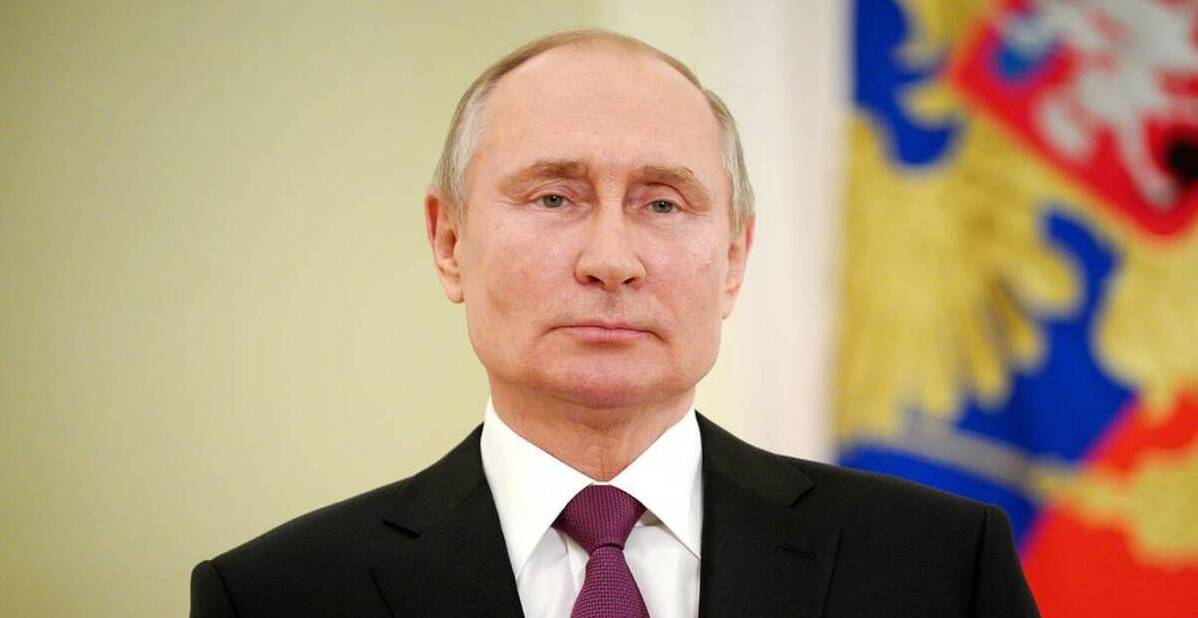
President Vladimir Putin jetted into New Delhi last week for a two‑day state visit, his first since the war in Ukraine began.
Prime Minister Narendra Modi personally welcomed him at the airport, breaking protocol, before hosting a private dinner. The visit included the 23rd India-Russia Annual Summit, with defence, energy and long‑term strategic cooperation all up for discussion.
For Britain, this moment is telling. While the UK continues to spend billions in foreign aid – including projects in India and Pakistan – India is openly embracing Russia, and Pakistan is deepening ties with China and Iran.
Across the UK, taxpayers are asking: Why are we bankrolling countries that are strengthening alliances with our adversaries?
Aid or appeasement?
The UK spent £7.7 billion on foreign aid in 2024/25, with Pakistan a major recipient. India no longer receives direct government aid but benefits from UK‑funded development projects and investment partnerships.
Yet India is now signing new defence and energy deals with Russia, even as Moscow faces Western sanctions.
Meanwhile Pakistan has joined quadrilateral talks with Russia, China and Iran on Afghanistan and regional security, underscoring its alignment with powers outside the Western orbit.
Are we being mugged off?
This raises a blunt question: when India welcomes Putin with a ceremonial guard of honour and Pakistan leans on Beijing and Tehran, does our aid look less like compassion and more like appeasement, naivety, or, worse still, stupidity? To put it in plain English: Are we being mugged off?
The national perspective
Taxpayers across Britain are footing the bill while councils slash budgets and public services struggle. Diaspora communities rightly care about family ties abroad, but many also question whether aid is being used responsibly.
Ordinary citizens see the contradiction: Britain faces housing shortages, NHS pressures and rising living costs, yet millions continue to flow overseas to governments that court Moscow and Beijing.
Strategic naivety
Policymakers argue that aid buys influence. But influence over what? India is not turning away from Russia because of our cheques. Instead, it leverages Western partnerships while deepening ties with Moscow. Pakistan does the same with China and Iran. That is not partnership – it’s opportunism.
Time for accountability
This is not a call to abandon humanitarian principles. It is a demand for accountability and realism. Aid should be conditional, transparent and tied to the values Britain actually stands for.
Otherwise we risk being the generous fool at the global table – funding nations that smile politely at us while shaking hands with our adversaries.