
Conference leaders give three recommendations to the Government
The Secretary of State for Health and Social Care has been urged to attend Life Sciences Week 2026 to see for himself “what is being built here.”
James Murray MP must come and see for himself the vast and already-delivering potential of Birmingham and the West Midlands.
That is the message from the advisory board of Life Sciences Week, which set out three recommendations for the Government, likely under the leadership of Andy Burnham, that they argue are essential to the future of UK life sciences.
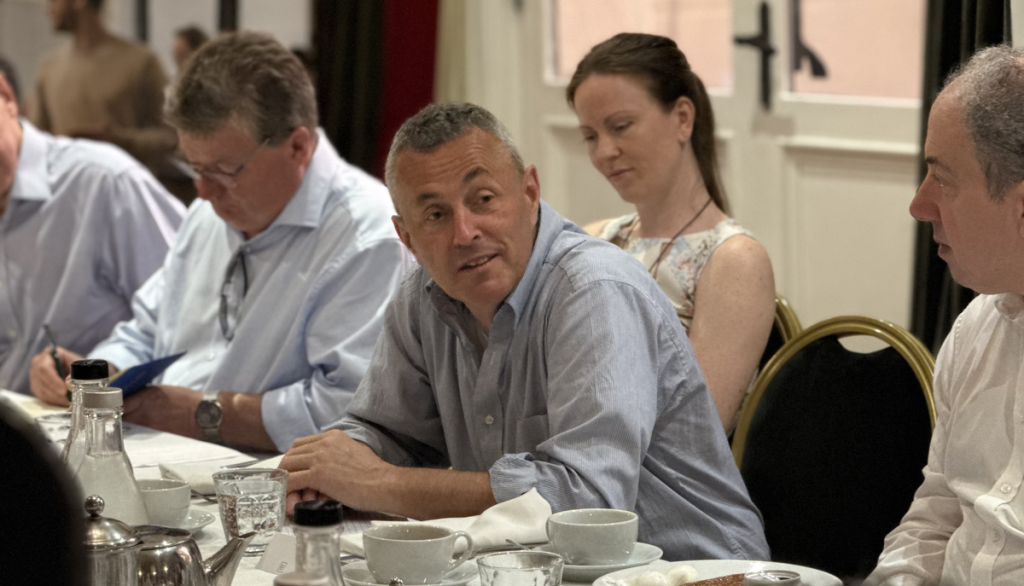
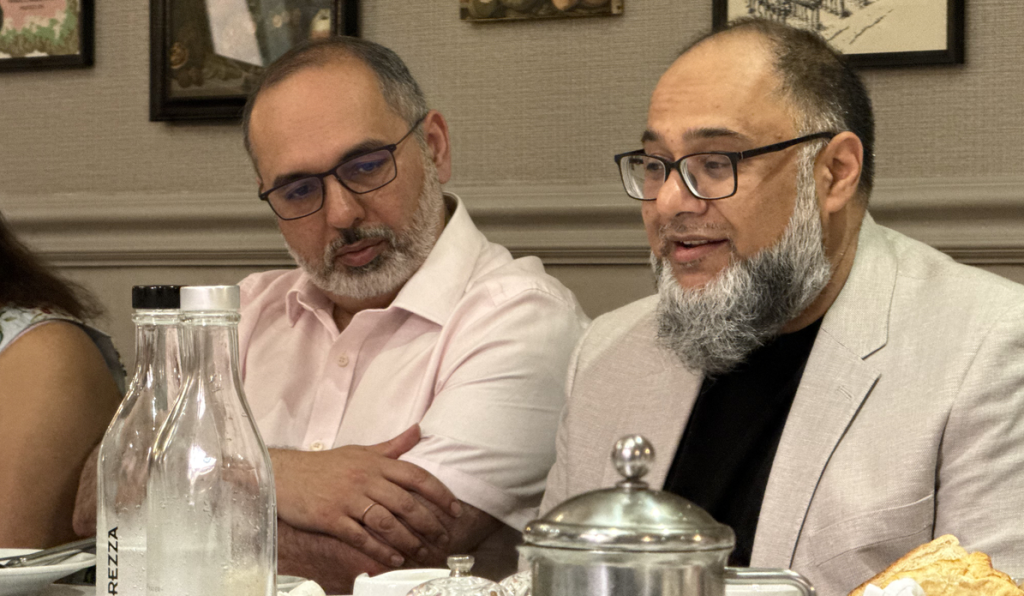
Paul Cadman, co-founder of Life Sciences Week, Amy Deakin, its managing partner, David Kidney, the board’s chairman, Dr Richard Fallon, co-founder, Amjad Khan, executive partner, and Shabnam Raja, advisory partner, sent the letter to Murray following a roundtable business breakfast held in Birmingham on June 25, sponsored by the University of Birmingham and SAH Diagnostics.
“Come to Birmingham. See what is being built here,” writes Deakin in her letter.
He added: “This is a golden opportunity for the Health Secretary to see the strength of UK life sciences here in the West Midlands, particularly as the country prepares for a new Prime Minister and the need to boost the UK’s growth sectors.”
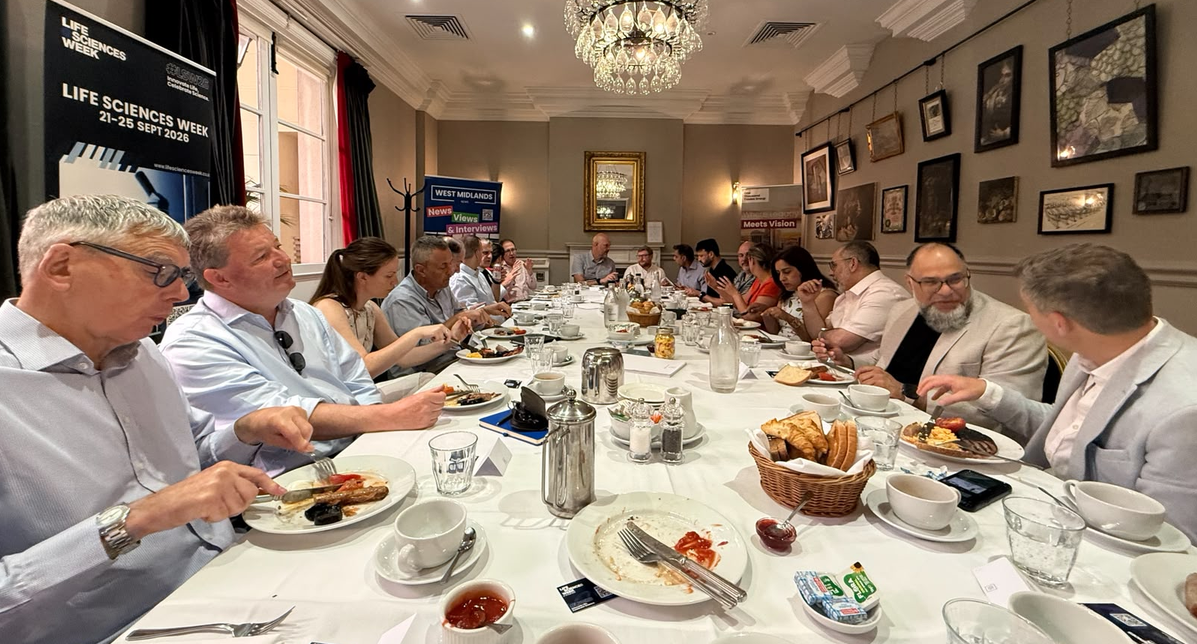
The event, titled ‘Shaping the Future of Life Sciences,’ brought together more than 20 leaders from academia, the NHS, private healthcare, regional government and research and development.
Public-private partnership must become the norm
The first recommendation calls on the Government to treat collaboration between the public and private sectors not as an exception but as standard practice. The letter cites SAH Diagnostics as a working example of the model in action, with the company already partnering alongside NHS Trusts to reduce patient waiting lists. Deakin writes that if the public health system is to withstand the pressures it faces, that kind of partnership must become the new normal.
Regulatory reform must accelerate
The second recommendation urges the Medicines and Healthcare products Regulatory Agency to liberalise its approach to clinical trials and speed up routes to market for new drugs and medical devices. Life sciences leaders at the roundtable warned that without reform, innovators would take their work to the United States or China. The West Midlands, the letter argues, has the advanced manufacturing capability to make the UK a genuinely attractive destination, but only if the regulatory environment keeps pace.
Long-term government commitment is essential
The third recommendation addresses what attendees described as a stop-start policy environment created by four prime ministers in five years. The letter calls for three and five-year public health contracts to become standard, giving both NHS bodies and private innovators the confidence to plan and invest.
An invitation and a challenge
Deakin’s letter frames the invitation as a direct challenge to Murray, noting that Life Sciences Week falls the week before the Labour Party conference in Liverpool. She points to the University of Birmingham’s Health Innovation Campus and its proximity to the Queen Elizabeth Hospital, the Harborne Hospital and the Centre for Defence Medicine as evidence that the region is ready to scale.
Attendees of the Life Sciences Week roundtable breakfast held in Birmingham on June 25:
- Professor Neil Hanley – Pro-Vice-Chancellor and Head of the College of Medicine and Health, University of Birmingham
- Feroz Agad – CEO of SAH Diagnostics
- Dr Richard Fallon – Co-Founder, Life Sciences Week
- Amjad Khan – Executive Partner, Life Sciences Week
- Shabna Raja – Advisory Partner, Life Sciences Week
- Paul Cadman – Co-Founder, Life Sciences Week & CEO of the One Thousand Trades Group
- David Kidney – Chair of the Life Sciences Week advisory board
- Paul Moss – Deputy Head of College of Medicine and Health, University of Birmingham
- Jamie Clyde – Strategic Advisory, West Midlands Growth Company
- Richard Phillips – Executive Director, Policy & Partnerships, ABHI
- Catherine Cochrane – Director of RSSD, University of Birmingham
- Liam Grover – Head of the School of Chemical Engineering, University of Birmingham
- Sarah Windrum – Head of Cluster Development, HORIBA MIRA
- Graham Combe – Life Sciences Week advisory board & BioSell UK Founder
- Kaushik Trivedi – Founder of the Drug Diaries Podcast
- Steven Heales – West Midlands Combined Authority
- Masood Nazir – Medical Director, NHS Birmingham and Solihull
- Tom Congdon – Tech Transfer, representing SPARK the Midlands, Aston University
- David Aldulaimi – South Warwickshire NHS Trust CMO
- Craig Webster – Director of Pathology & Consultant Clinical Scientist, University Hospitals Birmingham