Higher energy bills push inflation upwards, raising fresh concerns for households, businesses and policymakers as winter approaches.
By the West Midlands News Financial Correspondent
For millions of households across the West Midlands, the cost-of-living crisis never really ended.
It simply slipped down the news agenda.
The latest inflation figures are a sharp reminder of that reality.
New data shows inflation rose to 3.6% in October, up from 3.5% in September, driven largely by higher household energy bills after the latest increase in the energy price cap came into force.
While the increase was slightly less severe than some economists had feared, it takes Britain further away from the Bank of England’s 2% inflation target and raises fresh concerns about the pace of economic recovery.
For many families, the distinction between 3.5% and 3.6% will feel meaningless.
What matters is that prices are still rising.
The weekly supermarket shop costs more.
Heating a home costs more.
Insurance costs more.
Everyday life simply costs more than it did only a few years ago.
The latest figures mean that something costing £100 a year ago would now cost around £103.60 on average.
That may not sound dramatic in isolation.
Across an entire household budget, however, the cumulative impact remains significant.
The biggest driver behind October’s increase was energy.
Millions of households saw gas and electricity bills rise by around 4% following the latest increase in the energy price cap. For families already entering winter with stretched finances, it represents another unwelcome hit at a time when many were hoping financial pressures were finally beginning to ease.
There are also signs that inflationary pressures may be building elsewhere in the economy.
Prices charged by businesses leaving Britain’s factories also increased, suggesting manufacturers are facing higher production costs. Economists often see this as an early warning indicator because rising costs can eventually pass through supply chains before reaching consumers.
Today’s increase in factory costs can become tomorrow’s increase in retail prices.
That possibility is unlikely to be welcomed by policymakers at the Bank of England.
Many investors had been expecting inflation to continue falling steadily, paving the way for lower interest rates and cheaper borrowing.
These figures complicate that narrative.
Inflation remains well above target and while that does not necessarily mean higher interest rates are around the corner, it does make policymakers more cautious about reducing borrowing costs too quickly.
For homeowners across Birmingham, Coventry, Wolverhampton, Solihull and the Black Country, that uncertainty matters.
Many were hoping the era of expensive mortgages was beginning to come to an end.
These figures suggest the journey back to lower borrowing costs could be slower than hoped.
The impact on businesses is equally significant.
Manufacturers continue to battle higher operating costs.
Hospitality firms face rising wage pressures.
Retailers are dealing with cautious consumers who remain reluctant to spend.
For many companies, profitability remains under pressure despite signs of wider economic stabilisation.
This is particularly important in the West Midlands, where manufacturing remains one of the region’s economic strengths.
Higher energy costs do not just affect household bills.
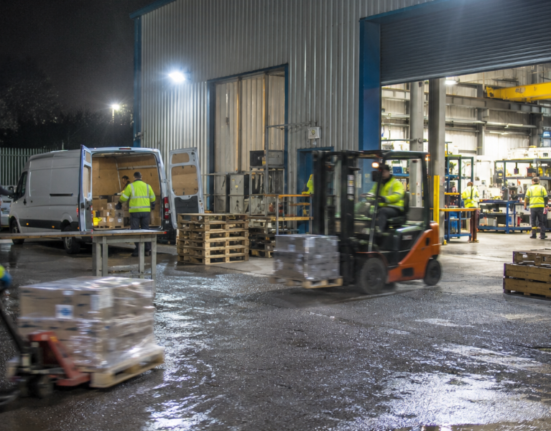
They affect factories, warehouses, transport fleets and production lines.
When costs rise for businesses, investment decisions become harder, recruitment slows and economic growth becomes more difficult to sustain.
That creates a challenge for the Government.
Ministers are trying to convince voters that economic conditions are improving and that living standards are recovering.
Yet rising inflation risks undermining that message.
Most households do not judge the economy by inflation graphs or economic forecasts.
They judge it by what remains in their bank account at the end of the month.
On that measure, many families still feel under pressure.
While wages have generally risen faster than inflation over the past year, many households are still trying to recover from years of sharp price increases that eroded their spending power.
This article is the opinion of the author and should not be considered as professional financial advice.