

Labour pushes new scheme
Sir Keir Starmer has announced plans to introduce a nationwide digital identity system/ This is the first attempt to roll out ID cards in Britain since the Second World War. The move is aimed at tightening border controls, deterring irregular migration, and reassuring voters that Labour is serious about tackling illegal working.
The prime minister said the policy would prevent people without legal status from taking jobs. “You will not be able to work in the United Kingdom if you don’t have digital ID,” he said, insisting it was about fairness, security and restoring trust.
How it would work
Under the scheme, every British citizen and legal resident would be issued with a digital ID, stored in a secure “wallet” on the gov.uk app. Employers would be required to check IDs before hiring staff, a measure designed to make life harder for people-smuggling gangs and those who exploit undocumented workers.
Over time, ministers expect the IDs to be used for wider purposes such as accessing tax records, applying for driving licences or claiming childcare support. Officials argue that Britons are already accustomed to sharing data through banking apps and government portals.
Echoes of Blair era
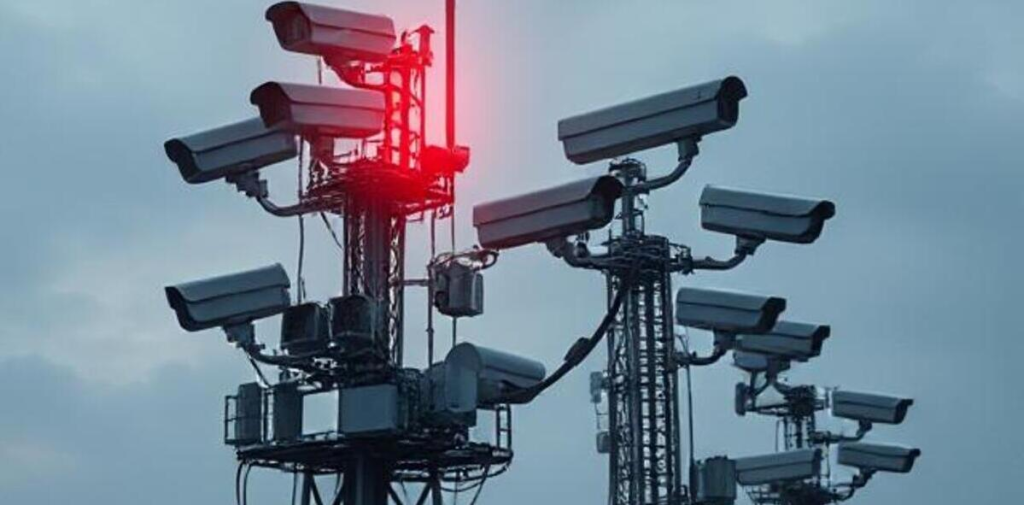
The plan revives a proposal first advanced by Tony Blair in the 2000s, which collapsed amid spiralling costs and fierce civil liberties protests. While Starmer insists his version will be lighter-touch and smartphone-driven, campaigners warn it could still erode privacy and open the door to state overreach.
International comparisons
Supporters point to Estonia, where digital ID is central to almost every public service, from voting to healthcare. Similar systems exist in Denmark, Australia and India, though the latter has faced criticism over data leaks and the exclusion of vulnerable groups.
Political battle lines
The announcement has sparked fierce political debate. Reform UK leader Nigel Farage labelled the scheme “an attempt to control and penalise the rest of us”, arguing that it would do little to stop cash-in-hand work. Conservative leader Kemi Badenoch said her party would not back a compulsory scheme, while Liberal Democrat chief Ed Davey vowed to oppose it “tooth and nail”, recalling his party’s successful fight against Blair’s plans.
Within Labour, Starmer’s decision marks a shift from his former home secretary Yvette Cooper, who resisted digital IDs. Her successor, Shabana Mahmood, has embraced the idea as a tool for immigration enforcement.
Northern Ireland tensions
The biggest backlash has come from Northern Ireland, where critics say the plan risks undermining the Good Friday Agreement. Sinn Féin leader Michelle O’Neill called it “ludicrous and ill-thought out”, describing the ID as a “BritCard” that would alienate Irish-identifying citizens in the North. The Alliance party also condemned the scheme as a gimmick.

Uncertain road ahead
Legal migrants already hold eVisas to prove their right to work, leading some immigration lawyers to question whether the new system will add much value. Others argue it could help the Home Office better target enforcement by linking payroll data to work status.
For Starmer, however, the digital ID plan is as much political as practical. With Reform UK ahead in some polls and small-boat arrivals hitting record highs, the prime minister is betting that technology can reassure voters that Labour is tough on borders—while walking a fine line between security and civil liberty.