Major UK dementia blood test study expands to new NHS sites
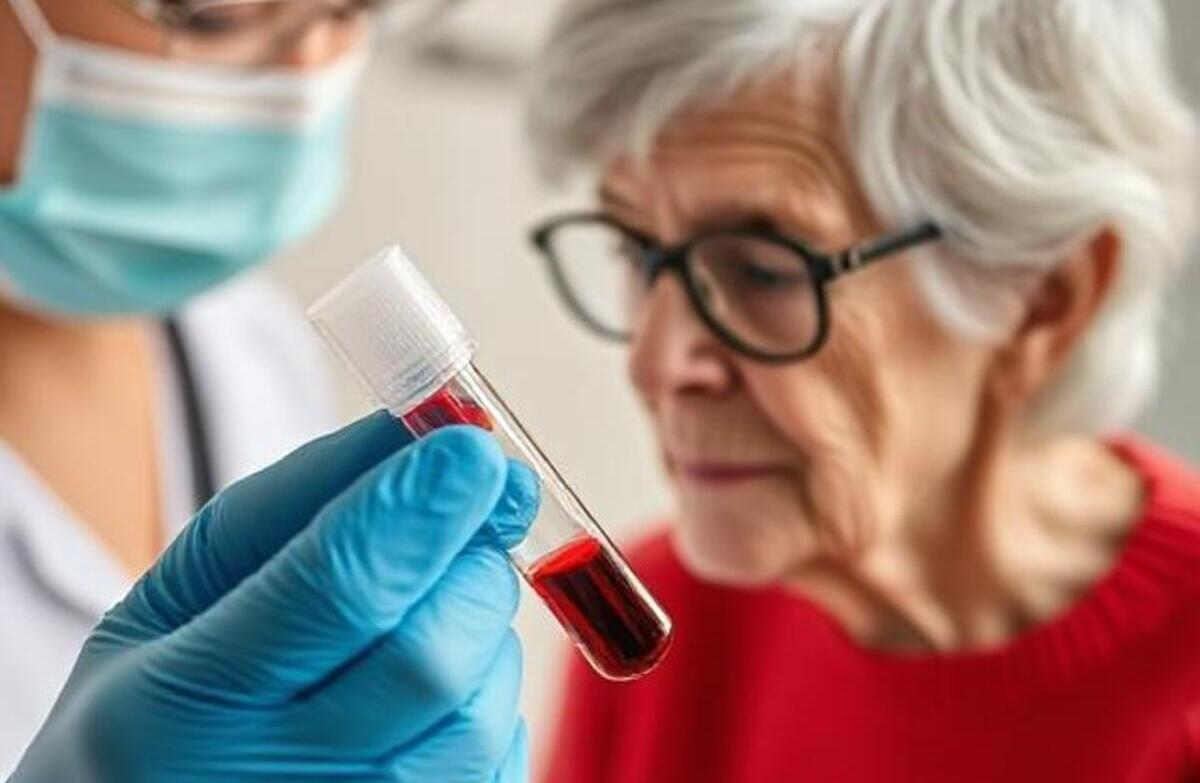
A study to assess the potential of blood tests to diagnose dementia is under way in Staffordshire.
The purpose of this work is to significantly improve Britain’s dementia diagnosis capability.
Midlands Partnership University NHS Foundation Trust with North Staffordshire Combined Healthcare NHS Trust is one of a host of HNS organisations nationwide involved in the “READ-OUT (REAL World Dementia OUTcomes)” study, part of the “Blood Biomarker Challenge.”
Trying to detect blood biomarkers early
Across the network of 31 Dementias Platform UK (DPUK) sites, including NHS memory clinics and community research services, the aim is to crecruit 3,100 participants from diverse communities to ensure the research is fully representative of the UK population.
The Blood Biomarker Challenge is a multi-million-pound programme led by Alzheimer’s Society and Alzheimer’s Research UK, supported with funds raised by players of People’s Postcode Lottery.
It aims to explore whether a panel of blood tests can complement existing diagnostic pathways in NHS memory clinics, helping clinicians provide faster and more accurate diagnoses for people living with dementia.
Studies aim to improve detection of many types of dementia
The study will assess multiple new and existing blood tests, examining a range of dementia types including Alzheimer’s disease, vascular dementia, frontotemporal dementia and dementia with Lewy bodies.
Researchers will also explore whether the tests can detect these conditions at different stages and whether results need to be interpreted differently for people from various ethnic backgrounds or with other health conditions, such as kidney disease.
Professor Vanessa Raymont, associate director at Dementias Platform UK and senior clinical researcher at the University of Oxford, leading the study, said: “Blood biomarker tests could be the answer to a major challenge in dementia diagnosis, and the good news is that the technology already exists. What we’re missing is proof that they really work in a real-world setting.
‘Incredibly exciting time for dementia research’ – Professor Vanessa Raymont
“Our team is evaluating a range of blood tests and actively recruiting participants across these regions, including people from minority ethnic groups, the very elderly, and those with other medical conditions. This will help us understand how the tests perform in diverse populations across the UK.
“We are delighted to welcome six new NHS sites to the READ-OUT study. Their involvement will allow us to reach more people nationwide and ensure our research accurately reflects the UK population.
“We’re in an incredibly exciting time for dementia research, with new drugs emerging that can slow early Alzheimer’s disease. Although these treatments are not yet approved for use in the NHS, we urgently need to revolutionise the way we diagnose people.
“It would be nothing short of disastrous if individuals were unable to receive an early diagnosis and miss the opportunity to benefit from these new drugs once they become available. Many people also want and need the more precise diagnoses that blood biomarkers could provide.”
Laura Chow, head of charities at People’s Postcode Lottery, said: “Early diagnosis is crucial, and thanks to players of People’s Postcode Lottery, this research has the potential to transform the way dementia is detected and managed across the NHS.”
For anyone concerned about dementia symptoms, visit www.nhs.uk/conditions/dementia.
Othe NHS organisations taking part in the study inbclude:
- Bradford District Care NHS Foundation Trust
- Devon Partnership NHS Trust
- South London and Maudsley NHS Foundation Trust
- University Hospital Southampton
- West London NHS Trust.