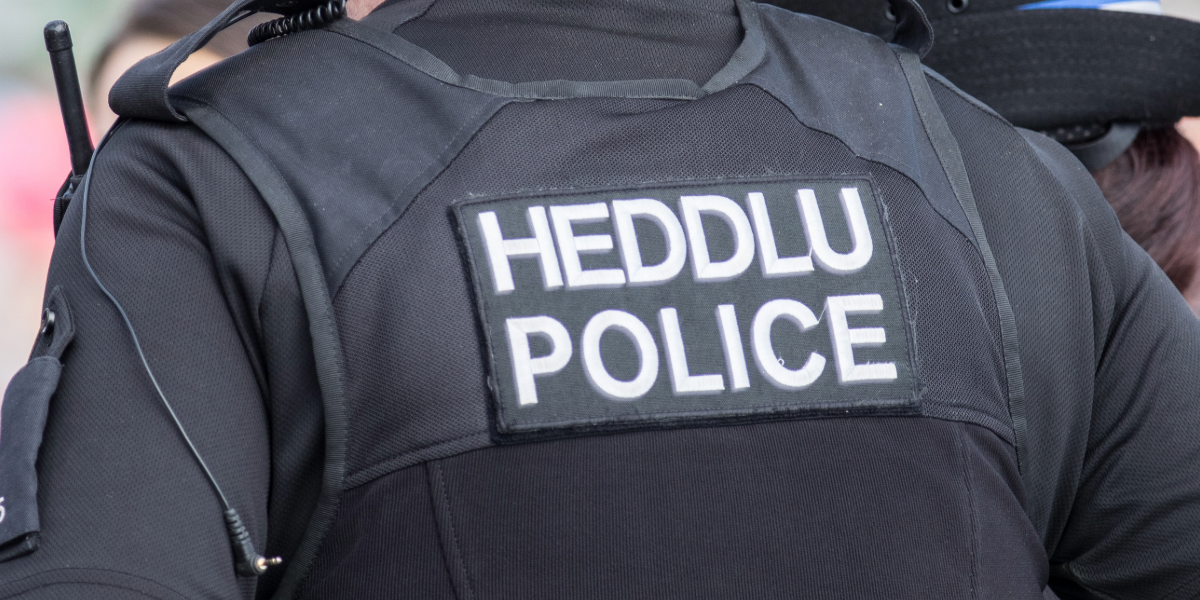
Two South Wales Police officers have been dismissed after a misconduct panel found they lied during the search for five friends who went missing before a fatal crash near Cardiff in March 2023.
PC Richard Hardwick and PC Lauren Livingston were found guilty of gross misconduct after falsely claiming they had carried out checks linked to the missing persons investigation. The panel concluded they were dishonest in official police records, misled colleagues and failed to carry out duties that could have been crucial in the early stages of the search.
The case stems from one of the most high-profile policing controversies in Wales in recent years.
In the early hours of 4 March 2023, five friends left Cardiff following a night out. When they failed to return home, increasingly worried family members contacted police and reported them missing.
The group was travelling in a Volkswagen Tiguan that had left the A48 near St Mellons on the eastern outskirts of Cardiff.
Despite growing concerns from relatives and multiple attempts to alert authorities, the vehicle was not discovered until almost 46 hours later.
When emergency services eventually located the car, it was hidden in dense woodland and largely out of sight from the busy dual carriageway above.
By then, three of the occupants had died.
Eve Smith, aged 21, Darcy Ross, aged 21, and Rafel Jeanne, aged 24, were pronounced dead at the scene.
Two others in the vehicle, Sophie Russon, then 20, and Shane Loughlin, survived but suffered serious injuries.
The discovery shocked communities across South Wales and immediately raised questions about the police response during the critical hours after the group had first been reported missing.
Families publicly challenged why the vehicle had not been found sooner and whether opportunities had been missed during the search operation.
The Independent Office for Police Conduct subsequently launched an investigation into the actions of officers involved in the missing persons inquiry.
That investigation led to disciplinary proceedings against PC Hardwick and PC Livingston.
The misconduct hearing in Newport was told that both officers falsely recorded that certain enquiries had been completed when they had not.
Among the findings were claims that searches and checks had been undertaken which, in reality, never took place.
The panel concluded that the officers had deliberately entered misleading information into official police systems and created a false impression that actions were being progressed.
Such records play a critical role during missing persons investigations, allowing colleagues and supervisors to understand what work has already been completed and what enquiries remain outstanding.
The hearing found that the officers’ actions undermined the integrity of that process.
In its ruling, the disciplinary panel determined that their conduct amounted to gross misconduct, the most serious breach of professional standards in policing.
The chair concluded that a final written warning would not be sufficient given the seriousness of the dishonesty involved.
Both officers were dismissed without notice.
While the hearing did not conclude that the actions of either officer directly caused the deaths of the three victims, the findings have intensified scrutiny of the wider police response during the investigation.
The case has become emblematic of broader concerns about accountability, transparency and public confidence in policing.
For the families, the disciplinary outcome represents the latest chapter in a process that has lasted more than three years.
In a statement following the ruling, relatives said their pursuit of answers had come at a significant emotional cost.
They spoke of repeatedly revisiting the circumstances surrounding the disappearance and deaths of their loved ones and enduring years of investigations, hearings and public scrutiny.
For many of them, the disciplinary proceedings were about more than individual officers. They were about establishing exactly what happened in the hours and days before the vehicle was found.
The tragedy also prompted wider debate about how missing persons reports are assessed and prioritised by police forces.
The period immediately after someone is reported missing is often considered critical, particularly where concerns exist around vulnerability, welfare or unusual circumstances.
Accurate record-keeping and effective communication between officers are regarded as essential components of those investigations.
The panel’s findings reinforce the importance of those standards.
Police forces rely on officers accurately recording what has and has not been done. Supervisors make decisions based on those records, resources are allocated according to them and families are often updated using information contained within them.
When those records are inaccurate, the entire investigative process can be compromised.
South Wales Police has previously apologised for aspects of its handling of the case and acknowledged the profound impact the events had on the families involved.
The force has also stated that lessons have been learned from the incident and that changes have been implemented to strengthen procedures surrounding missing persons investigations.
For the families of Eve Smith, Darcy Ross and Rafel Jeanne, however, such reforms cannot undo their loss.
More than three years after the crash, the dismissal of the two officers provides a measure of accountability, but it cannot answer the question that has haunted relatives since March 2023: whether their loved ones could have been found sooner.
What the misconduct panel has now established is that two officers charged with helping locate the missing group did not carry out all the enquiries they claimed to have undertaken and then falsely recorded those actions.
That finding alone was serious enough for both officers to lose their careers and for one of Wales’ most tragic recent cases to continue raising difficult questions about trust, accountability and standards in modern policing.