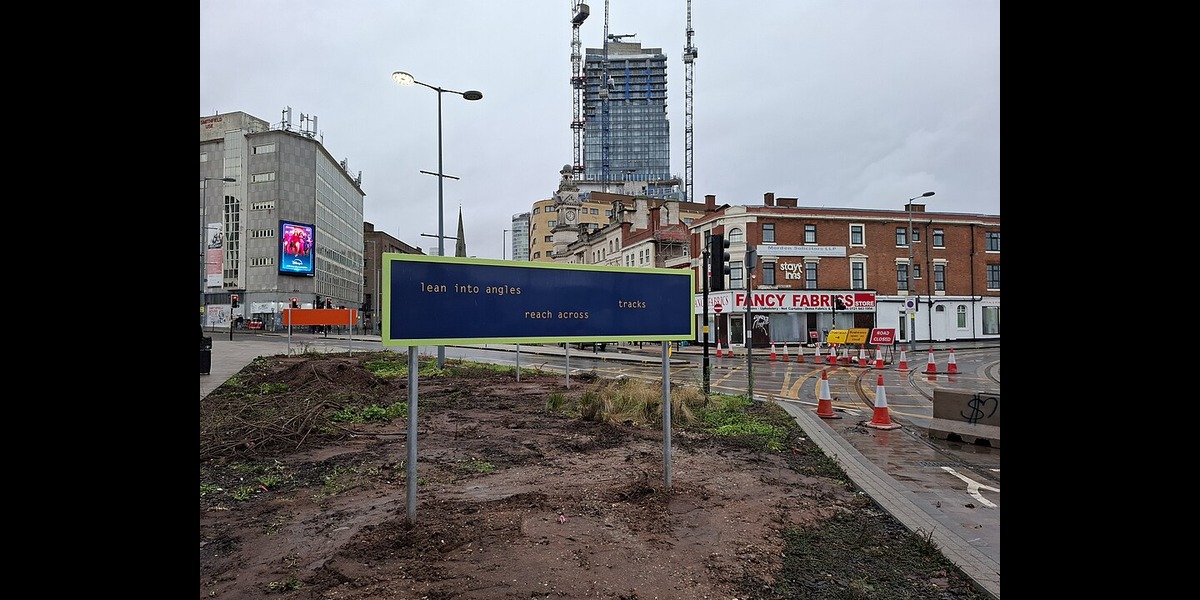
Birmingham’s Digbeth is taking another step towards major regeneration, with Homes England launching a search for a development partner to help deliver up to 2,200 homes at Warwick Bar. The proposals could bring new housing, creative workspaces and cultural facilities to a substantial brownfield site – but what could the plans mean for the future of one of the city’s best-known neighbourhoods?
Digbeth could be set for another major change as plans emerge for a new mixed-use neighbourhood featuring up to 2,200 homes, creative workspaces and cultural facilities.
Homes England, the government’s housing and regeneration agency, announced on 20 November 2026 that it had launched a search for a development partner to deliver the next phase of regeneration at Warwick Bar.
The proposed development would cover 7.84 hectares of land in Digbeth, an area equivalent to approximately 11 football pitches. The ambition is to create a neighbourhood combining new homes with commercial and cultural uses, public spaces and sustainable infrastructure.
The announcement marks a significant development for Birmingham’s ongoing regeneration plans, particularly as Digbeth continues to attract attention as a location for creative industries, businesses and investment.
However, the proposals are still at an early stage. Homes England is looking for a partner to help take the project forward; no developer has yet been appointed and the announcement does not mean that 2,200 homes have received planning permission.
What is planned for Warwick Bar?
The Warwick Bar regeneration project is intended to create a new mixed-use neighbourhood within Digbeth, bringing together housing, employment and cultural activity.
According to Homes England, the chosen development partner will help deliver up to 2,200 homes alongside creative workspace, cultural uses, public realm improvements and sustainable infrastructure.
The agency has described the site as one of the UK’s significant brownfield regeneration opportunities. Brownfield land is land that has previously been developed or used, rather than undeveloped countryside.
The location is particularly important. Warwick Bar sits between Digbeth’s established creative quarter, Birmingham city centre and the future HS2 Curzon Street Station.
Its position offers an opportunity to connect different parts of the city while making use of land that Homes England believes could support a substantial new neighbourhood.
The proposals also reflect a wider ambition to make regeneration about more than simply constructing residential buildings. By including commercial and cultural spaces, the intention is to create an area where people can live, work and spend time.
The precise mix of homes, businesses and facilities will depend on the development proposals brought forward by the appointed partner. At this stage, Homes England has not confirmed a final design, construction timetable or detailed breakdown of the 2,200 proposed homes.
Why is Digbeth attracting so much attention?
Digbeth has an established identity within Birmingham, with its industrial heritage, waterways and creative businesses helping to distinguish it from other parts of the city.
The area has increasingly featured in discussions about Birmingham’s future, particularly as the city looks to attract investment and strengthen its creative economy.
Homes England has highlighted Digbeth’s existing creative activity as an important part of the Warwick Bar opportunity. The intention is for new development to build on the area’s character rather than simply replace it with residential and commercial buildings.
The announcement also follows the selection of Digbeth Loc Studios as the preferred development partner for the separate Fazeley Street project. That earlier scheme is another part of the wider regeneration picture, but it should not be confused with the new Warwick Bar development.
The BBC has also chosen Digbeth for its Birmingham studios, adding to the area’s profile as a location for creative and media activity.
For businesses already operating in the area, regeneration could bring opportunities through increased footfall, new customers and improved public spaces. New homes could also create additional demand for shops, cafés, restaurants and other local services.
However, development on this scale inevitably raises questions about how existing businesses and cultural spaces will be affected as the neighbourhood changes.
What could the development mean for Birmingham?
The potential addition of up to 2,200 homes is significant at a time when housing delivery and the availability of suitable development land remain important issues for the region.
New housing could help accommodate people who want to live closer to Birmingham city centre, employment opportunities and transport connections.
The proposed creative workspaces and cultural facilities could also support the city’s wider economic ambitions, potentially providing space for businesses and organisations that contribute to Digbeth’s identity.
There may be wider benefits too. A successful mixed-use development could help connect the city centre with surrounding neighbourhoods, encourage more activity throughout the day and support investment in public spaces.
But the success of the project will depend on how those ambitions are delivered.
For example, the number of homes alone will not determine whether the development meets local needs. The eventual mix of housing types, affordability, facilities and infrastructure will all matter.
The same applies to the creative spaces. If Digbeth is to retain its reputation as a creative destination, future development will need to consider the needs of independent businesses and cultural organisations, as well as larger commercial interests.
These are issues that will become clearer as the project moves through the development and planning process.
A new partnership to support regeneration
The Warwick Bar announcement was made during Homes England Live, a national housing and regeneration event held in Birmingham on 19 November.
The event also saw West Midlands Mayor Richard Parker sign a new Place Delivery Agreement with Homes England and the National Housing Bank.
The agreement is intended to support the region’s housing priorities, including affordable housing and major regeneration projects.
It also relates to opportunities across four regional growth corridors: Birmingham and North Solihull Gateway, Coventry Growth Arc, Black Country Growth Corridor and Wolverhampton–Walsall Growth Cluster.
The Warwick Bar project is one example of the wider ambition to work with public and private sector partners to unlock development opportunities.
Homes England has appointed JLL as property consultant to support the search for a development partner. Further information about the procurement process is expected to be released by the agency.
What happens next?
The immediate next step is finding a suitable development partner capable of helping turn the proposals into a deliverable scheme.
That partner will need to work with Homes England and other stakeholders on the plans for the site, including the balance between housing, commercial activity, cultural uses and public spaces.
Any detailed development proposals will also need to progress through the relevant planning processes before construction can begin.
This means residents and businesses should not expect work on 2,200 new homes to start simply because the partner search has been announced. There are several stages still to come, and the eventual scheme may change as it develops.
Nevertheless, the announcement represents an important step for Birmingham’s regeneration ambitions.
With a substantial brownfield site, a proposed 2,200 homes and plans for new creative and cultural spaces, Warwick Bar could become a major part of Digbeth’s next chapter. The challenge will be ensuring that development brings lasting benefits while protecting the character and businesses that make the area distinctive.